





The Influence of Weather
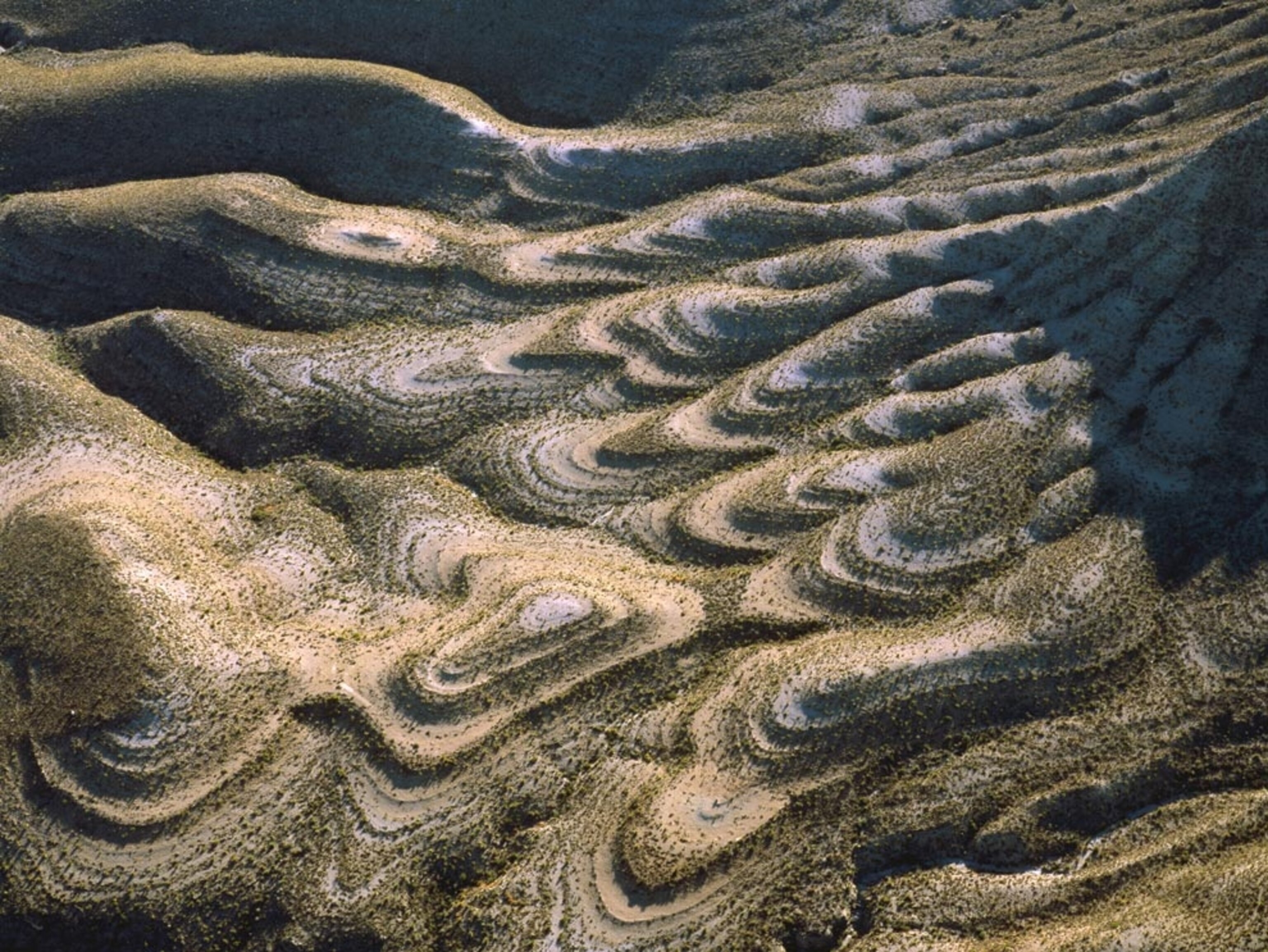
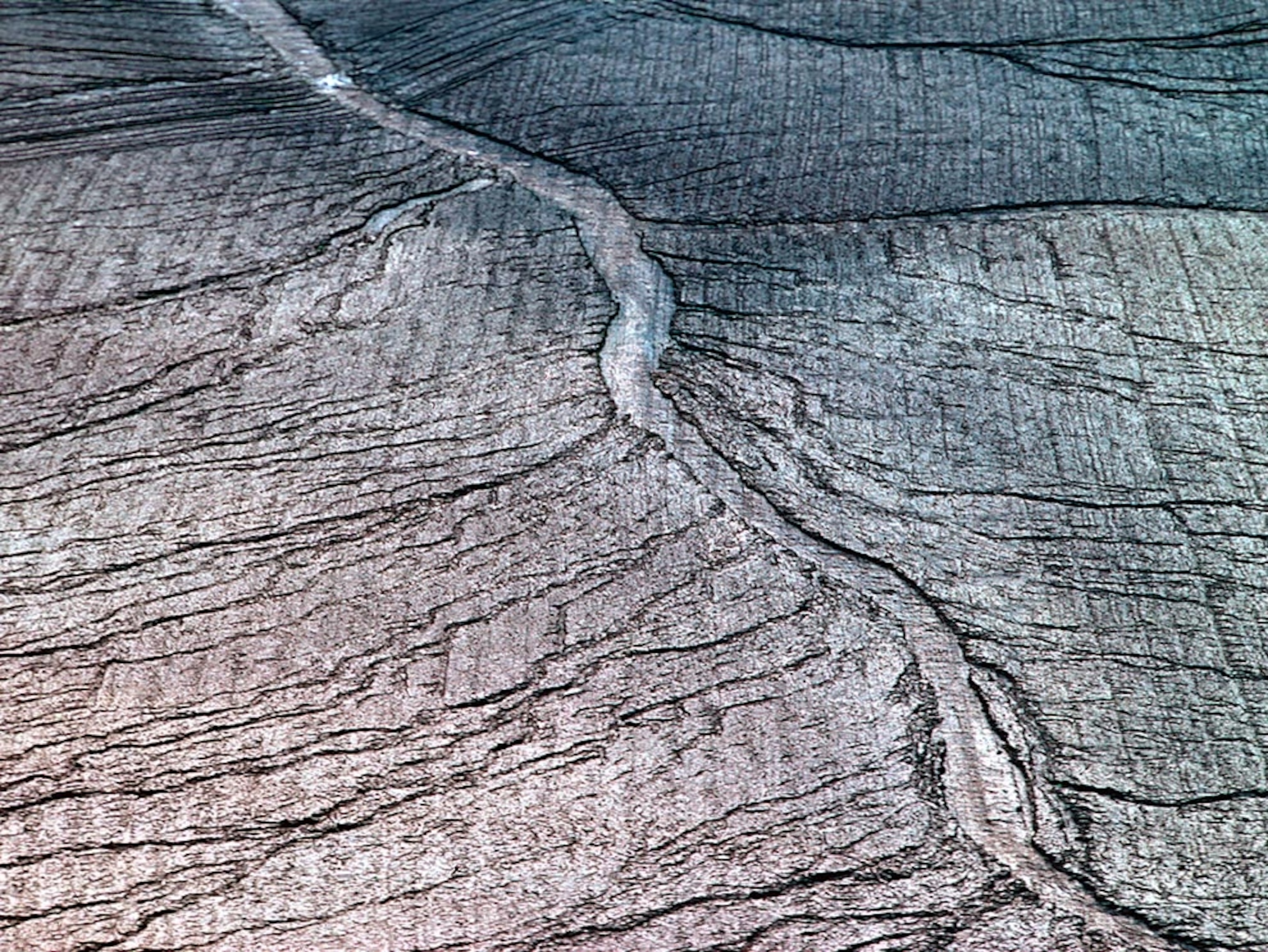
Weathering and erosion slowly chisel, polish, and buff Earth's rock into ever evolving works of art—and then wash the remains into the sea.
The processes are definitively independent, but not exclusive. Weathering is the mechanical and chemical hammer that breaks down and sculpts the rocks. Erosion transports the fragments away.
Working together they create and reveal marvels of nature from tumbling boulders high in the mountains to sandstone arches in the parched desert to polished cliffs braced against violent seas.
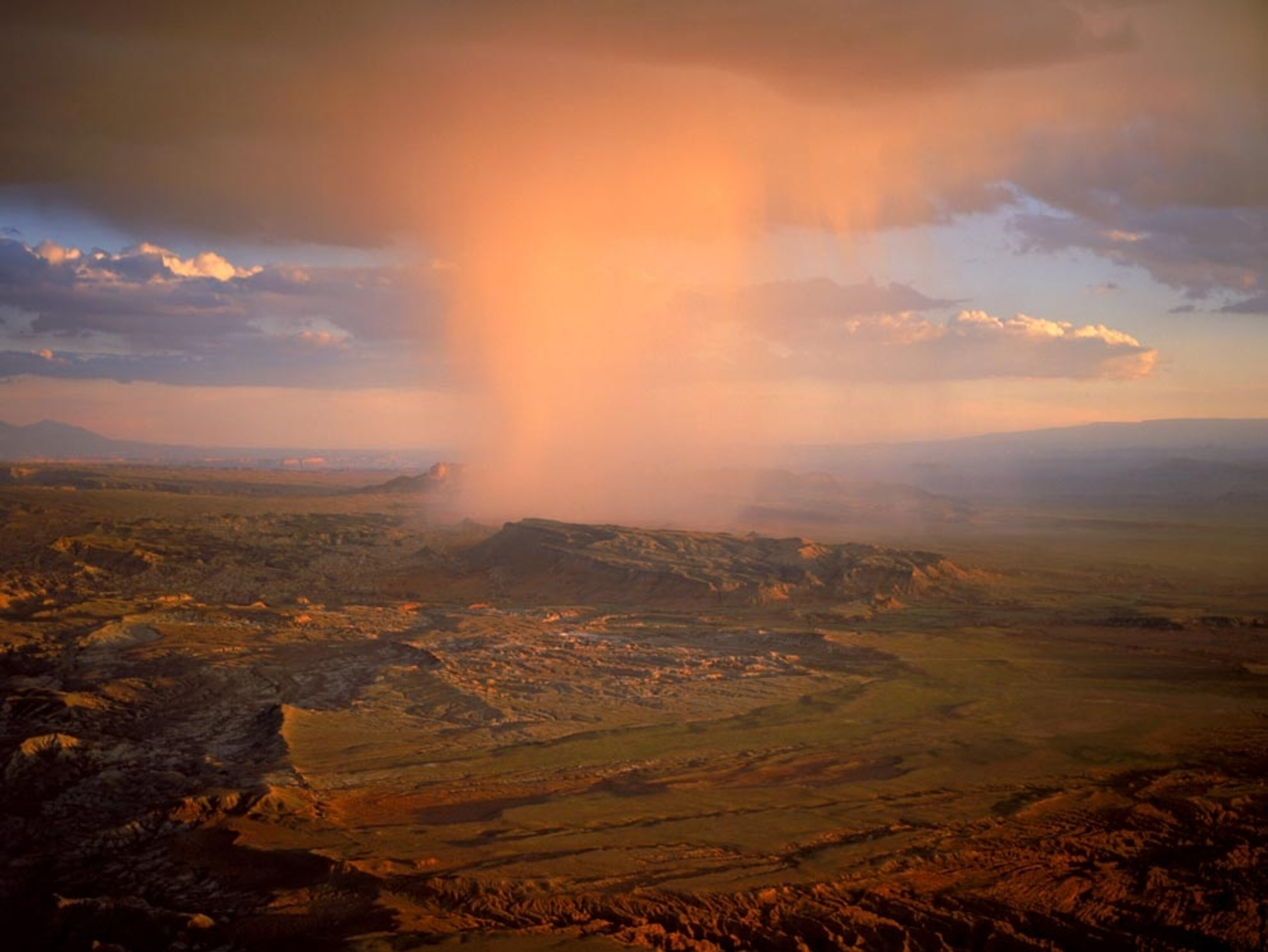
Water is nature's most versatile tool. For example, take rain on a frigid day. The water pools in cracks and crevices. Then, at night, the temperature drops and the water expands as it turns to ice, splitting the rock like a sledgehammer to a wedge. The next day, under the beating sun, the ice melts and trickles the cracked fragments away.
Repeated swings in temperature can also weaken and eventually fragment rock, which expands when hot and shrinks when cold. Such pulsing slowly turns stones in the arid desert to sand. Likewise, constant cycles from wet to dry will crumble clay.
Bits of sand are picked up and carried off by the wind, which can then blast the sides of nearby rocks, buffing and polishing them smooth. On the seashore, the action of waves chips away at cliffs and rakes the fragments back and forth into fine sand.
Plants and animals also take a heavy toll on Earth's hardened minerals. Lichens and mosses can squeeze into cracks and crevices, where they take root. As they grow, so do the cracks, eventually splitting into bits and pieces. Critters big and small trample, crush, and plow rocks as they scurry across the surface and burrow underground. Plants and animals also produce acids that mix with rainwater, a combination that eats away at rocks.
Precipitation
Rainwater also mixes with chemicals as it falls from the sky, forming an acidic concoction that dissolves rock. For example, acid rain dissolves limestone to form karst, a type of terrain filled with fissures, underground streams, and caves like the cenotes of Mexico's Yucatán Peninsula.
Back up on the mountains, snow and ice build up into glaciers that weigh on the rocks beneath and slowly push them downhill under the force of gravity. Together with advancing ice, the rocks carve out a path as the glacier slumps down the mountain. When the glacier begins to melt, it deposits its cargo of soil and rock, transporting the rocky debris toward the sea. Every year, rivers deposit millions of tons of sediment into the oceans.
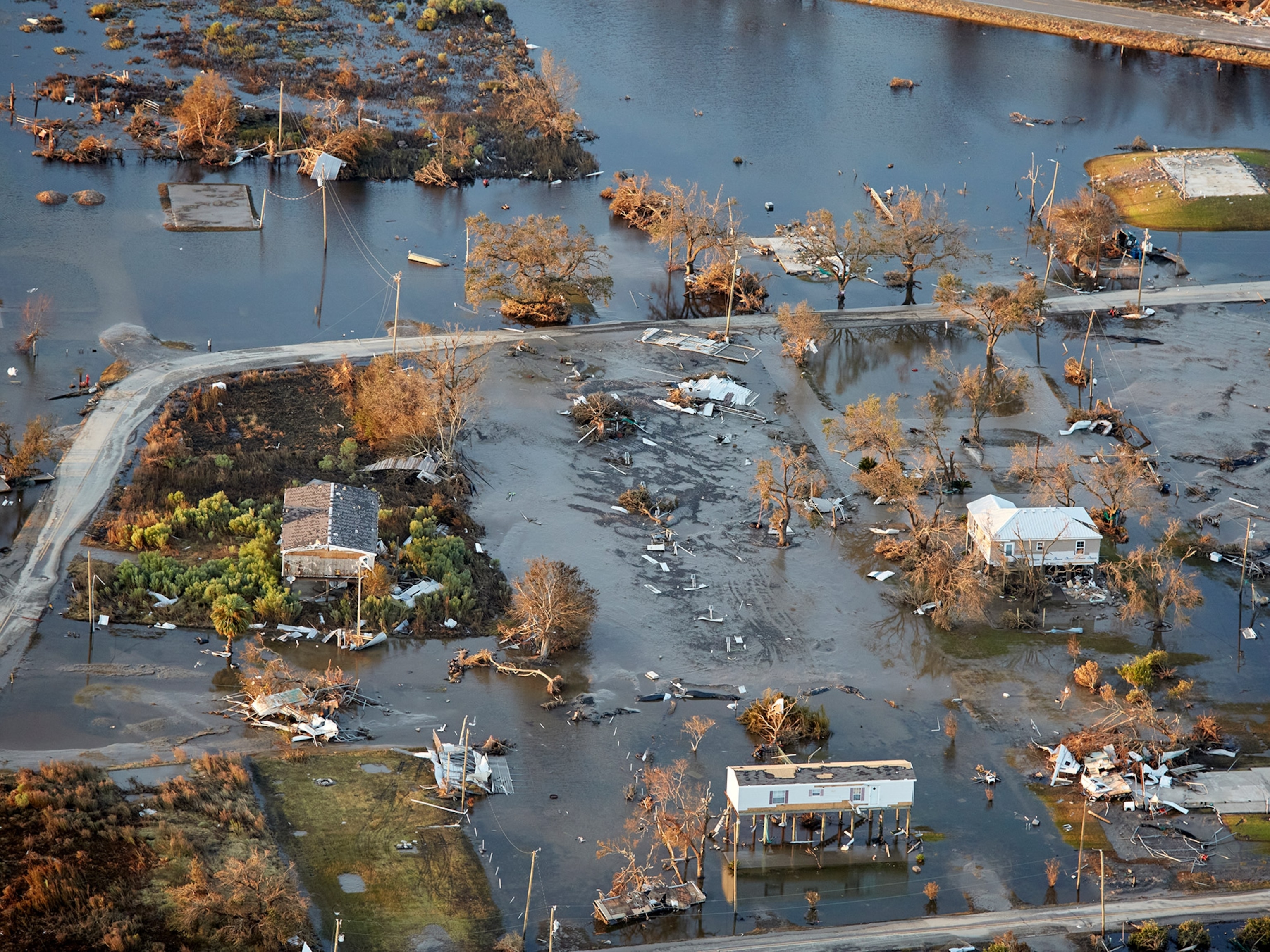
Without the erosive forces of water, wind, and ice, rock debris would simply pile up where it forms and obscure from view nature's weathered sculptures. Although erosion is a natural process, abusive land-use practices such as deforestation and overgrazing can expedite erosion and strip the land of soils needed for food to grow.
You May Also Like


Go Further
Animals
- How can we protect grizzlies from their biggest threat—trains?How can we protect grizzlies from their biggest threat—trains?
- This ‘saber-toothed’ salmon wasn’t quite what we thoughtThis ‘saber-toothed’ salmon wasn’t quite what we thought
- Why this rhino-zebra friendship makes perfect senseWhy this rhino-zebra friendship makes perfect sense
- When did bioluminescence evolve? It’s older than we thought.When did bioluminescence evolve? It’s older than we thought.
- Soy, skim … spider. Are any of these technically milk?Soy, skim … spider. Are any of these technically milk?
Environment
- Are the Great Lakes the key to solving America’s emissions conundrum?Are the Great Lakes the key to solving America’s emissions conundrum?
- The world’s historic sites face climate change. Can Petra lead the way?The world’s historic sites face climate change. Can Petra lead the way?
- This pristine piece of the Amazon shows nature’s resilienceThis pristine piece of the Amazon shows nature’s resilience
- Listen to 30 years of climate change transformed into haunting musicListen to 30 years of climate change transformed into haunting music
History & Culture
- Meet the original members of the tortured poets departmentMeet the original members of the tortured poets department
- Séances at the White House? Why these first ladies turned to the occultSéances at the White House? Why these first ladies turned to the occult
- Gambling is everywhere now. When is that a problem?Gambling is everywhere now. When is that a problem?
- Beauty is pain—at least it was in 17th-century SpainBeauty is pain—at least it was in 17th-century Spain
Science
- Here's how astronomers found one of the rarest phenomenons in spaceHere's how astronomers found one of the rarest phenomenons in space
- Not an extrovert or introvert? There’s a word for that.Not an extrovert or introvert? There’s a word for that.
- NASA has a plan to clean up space junk—but is going green enough?NASA has a plan to clean up space junk—but is going green enough?
- Soy, skim … spider. Are any of these technically milk?Soy, skim … spider. Are any of these technically milk?
Travel
- How to see Mexico's Baja California beyond the beachesHow to see Mexico's Baja California beyond the beaches
- Could Mexico's Chepe Express be the ultimate slow rail adventure?Could Mexico's Chepe Express be the ultimate slow rail adventure?
