-
Nuclear Imaging
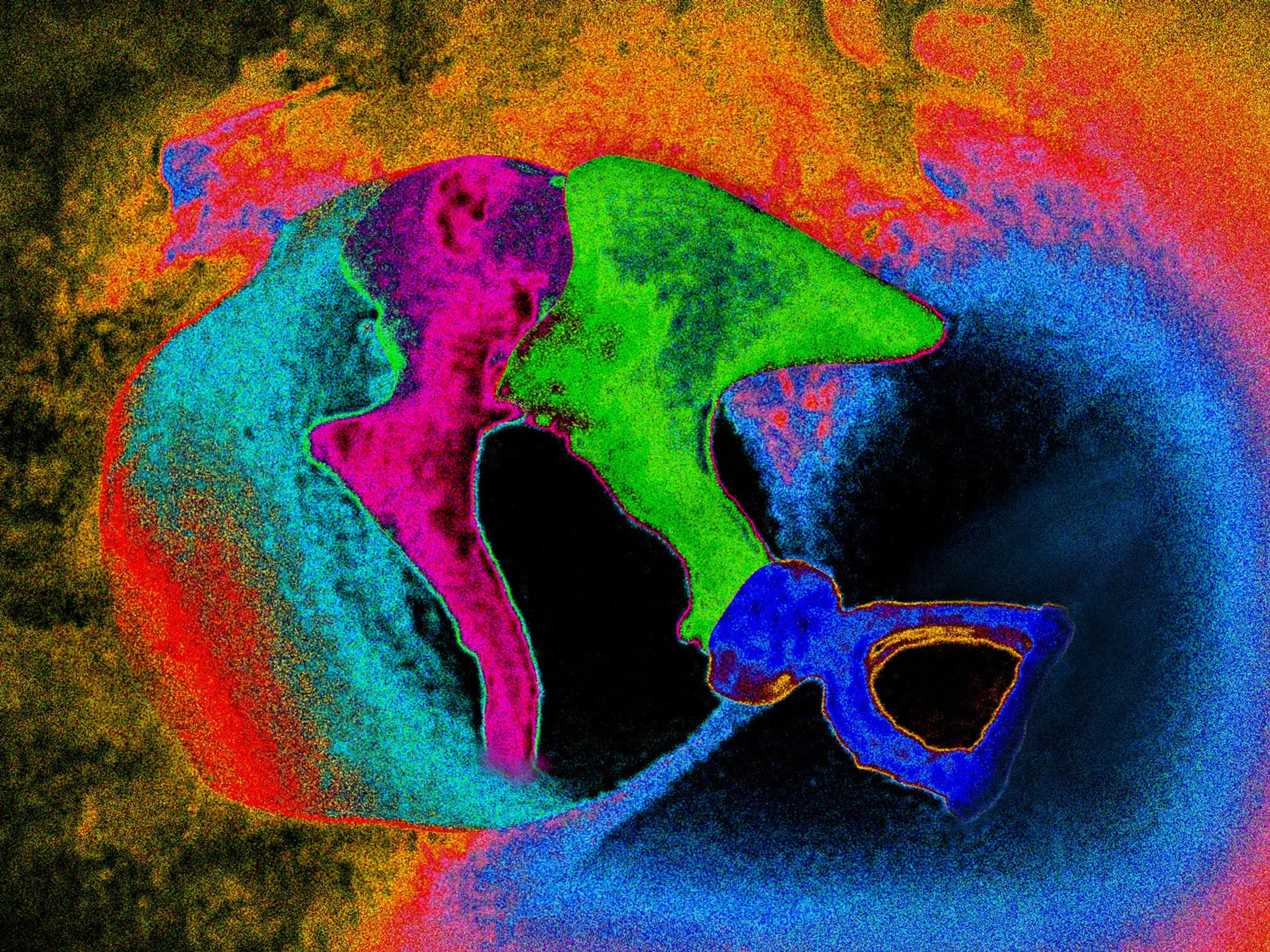
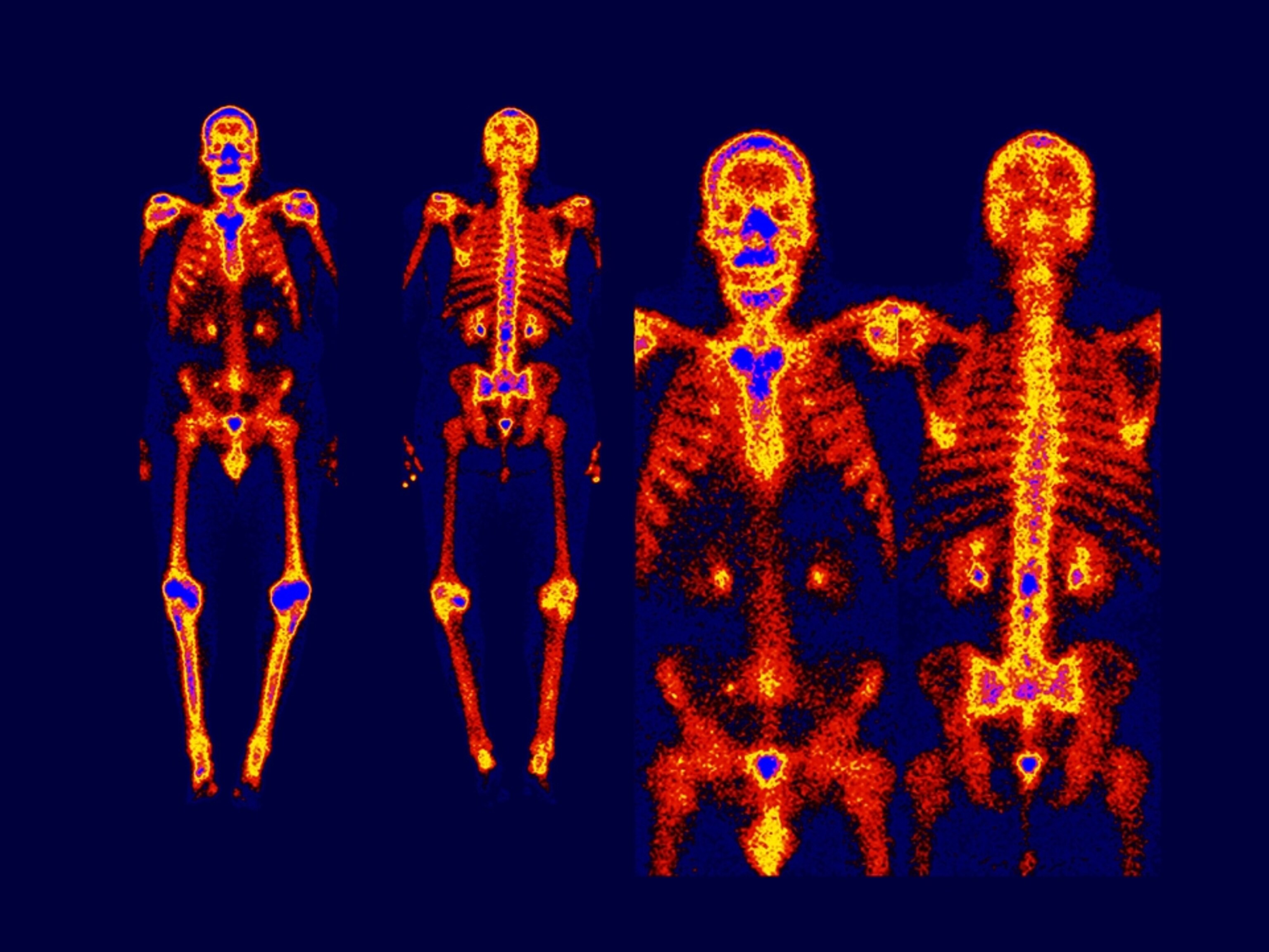
Image from Photo Researchers/Getty Images
Nuclear imaging examines "aching bones" for fractures or diseases like leukemia, lymphoma, and other cancers. Patients are injected with a radioactive tracer which enters the bloodstream and passes in a matter of hours into the bones where it can be imaged by a "gamma camera." The resulting images reveal abnormalities in bones which are marked by non-uniform distribution of the tracer.
-
A Synthetic Ear
Photograph by Rebecca Hale, National Geographic
Conventional ear replacements involve surgically inserting an ear-shaped device under the skin-but scientists working with the Armed Forces Institute of Regenerative Medicine hope to dramatically improve on that system. This ear implant device sits in a bath of the patient's own cartilage-producing cells. Covering the ear implant with lab-grown human cartilage will reduce future risks of infection and protrusion.
-
Intelligent Operating Room
Photograph by Tino Soriano, National Geographic
Doctors perform a laparoscopic colon cancer surgery in the Intelligent Operating Room at Hospital General in Ciudad Real, Spain. Laparoscopic surgery is a minimally invasive procedure in which tiny incisions up to an inch-long (2.5 centimeters-long), are made for the insertion of tube-like cameras and instruments. The process provides an internal view of a patient's organs during the procedure. Some surgeries are also robot-assisted, allowing surgeons to manipulate mechanical arms with joystick-like controls.
-
Vaccines
Photograph from SSPL/Getty Images
State of the science in 1915 these ampoules of paratyphoid A and B serum, typhoid serum, streptococcus serum, and dysentery vaccine now reside in The Science Museum, London. Vaccinations were known in ancient China but the modern process began with English doctor Edward Jenner. In 1796 Jenner found that rubbing material from a non-dangerous cowpox sore into a lesion on a child's arms bestowed immunity from a similar disease with far more deadly consequences-smallpox.
-
Mind-Controlled Prostheses
Photograph by Mark Thiessen, National Geographic
Incredible advances in bionic arms and other limbs are helping patients regain movements and independence that increasingly rivals the real thing. New generations of mind-controlled prostheses even use surgically-transplanted nerves to transfer the brain's electrical impulses to electrodes and a micro-computer that govern limb movements from touching to typing.
-
In Vitro Procedure
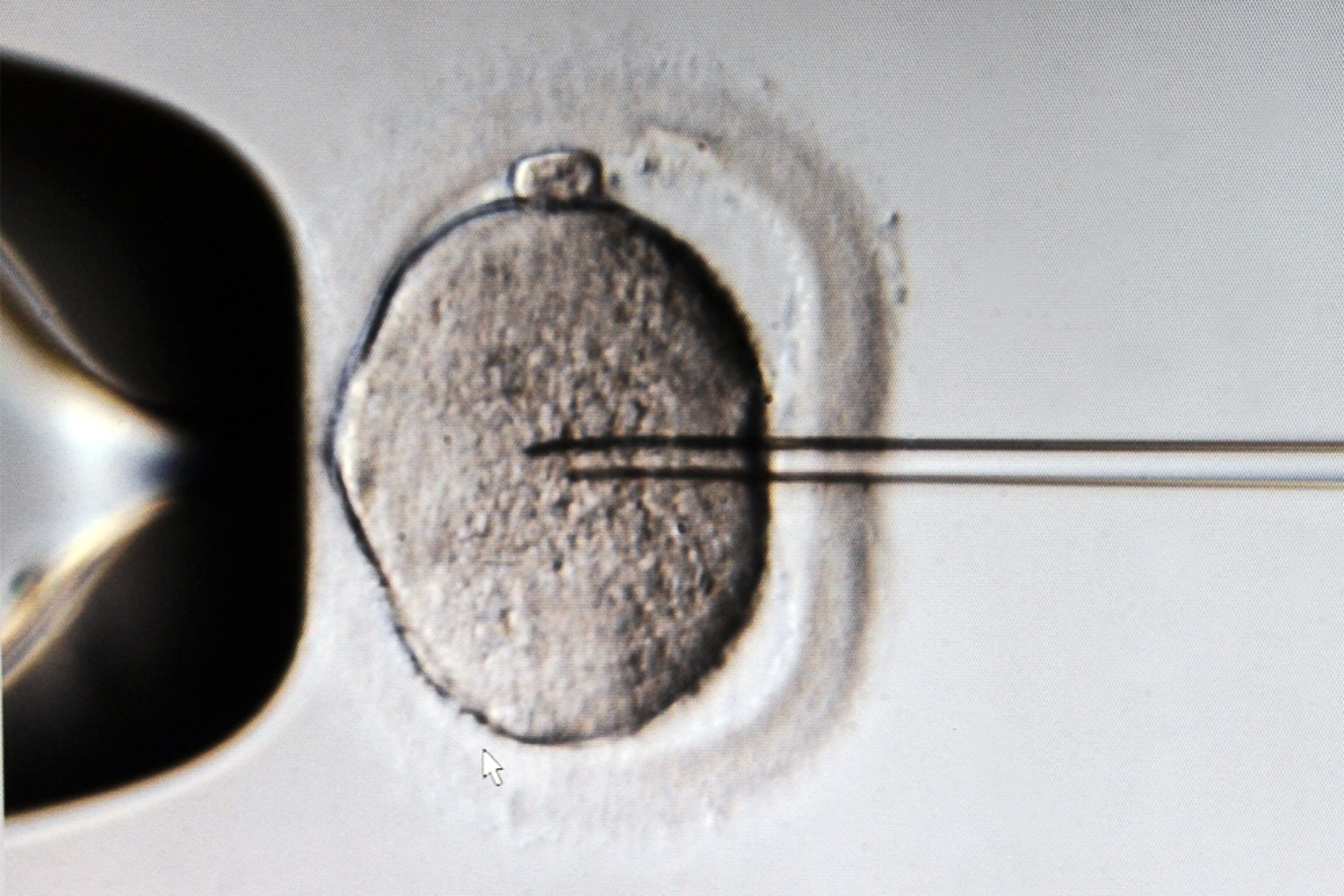
Photograph by Waltraud Grubitzsch, DPA/Corbis
Sperm is injected into a human egg during an in vitro fertilization procedure in Leipzig, Germany. In vitro is generally the most effective of a suite of assisted reproductive technologies which now help many couples conceive. In vitro fertilization occurs outside the body. After three to five days in a lab dish a healthy embryo will be implanted into the mother's uterus.
-
Professor Warren Chan and Nanosized Semiconductors
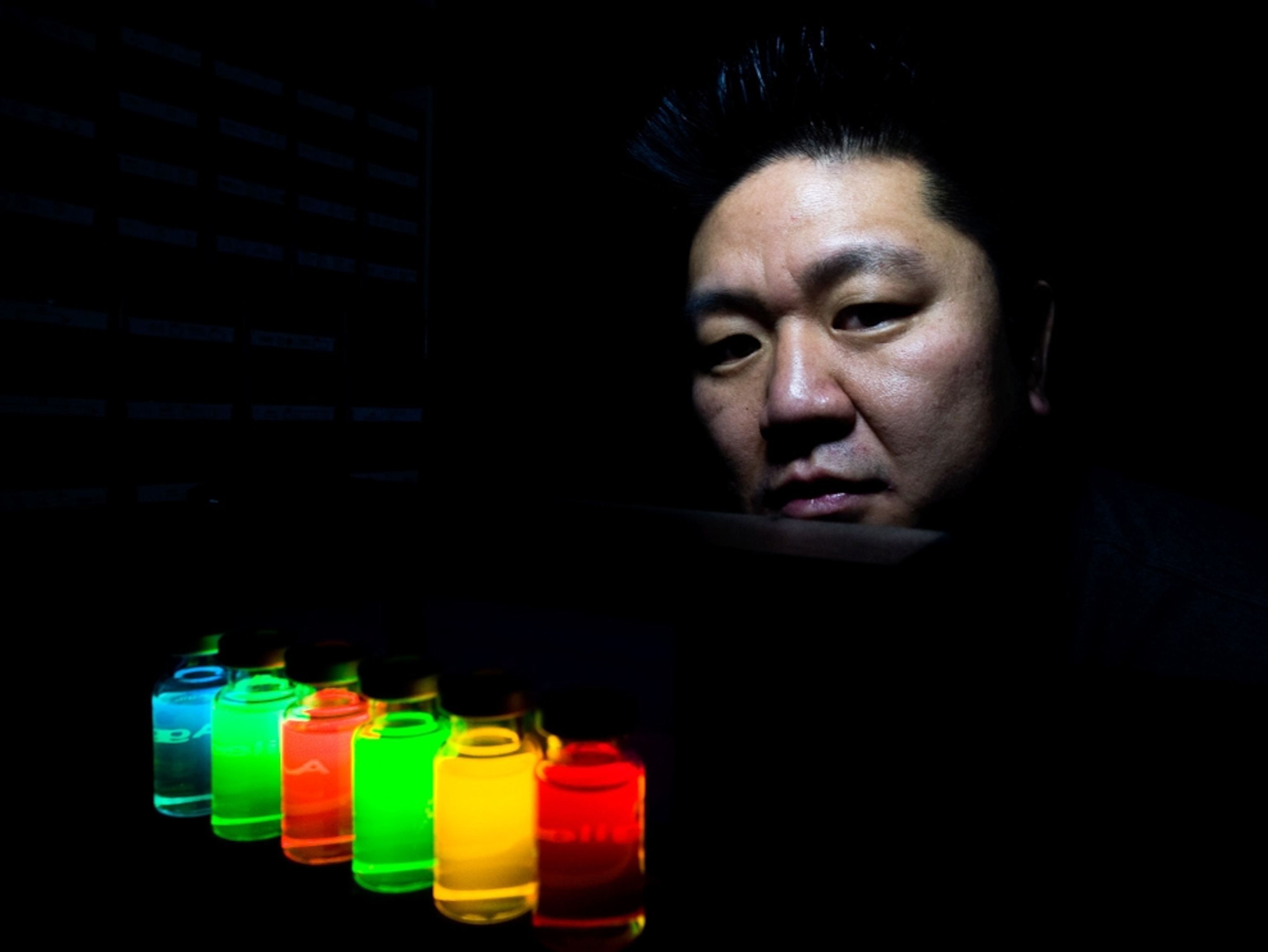
Photograph by Nathan Denettek, AP
Black lighting brings out colorful quantum dots, essentially nanosized semiconductors, which are present in different bottles of medical imaging solution. When ingested the dots can reveal processes inside the body and track molecules and cells in real time. In the future they may be paired with medicines to bind with and attack cancer cells. Quantum dots are just one application of medical nanotechnology, which harnesses the unique properties matter exhibits at extremely small scales and points them towards a promising future in medical breakthroughs.
-
Dolly the Cloned Sheep
Photograph by Karen Kasmauski, National Geographic
Dolly the sheep, the first mammal ever, cloned from an adult cell, remains stoic despite the uproar cased by here 1996 birth. Scientists genetically "reprogrammed" an adult sheep cell and implanted it into the womb of a surrogate mother. The sheep gave birth to Dolly and a world of possibilities from agricultural enhancement to the prospect of genetically modified pigs which might serve as human organ donors. Dolly also created an ongoing debate about the ethical quandaries associated with the practice of cloning.
-
Ultra-Realistic Prosthetic Limbs
Photograph by Larry Moore, Murdoch Ferguson/Rex Features/AP
Today's ultra-realistic prosthetic limbs not only replicate natural movements in ways unthinkable a decade ago-they're beginning to look a lot more like the real thing as well. The Scottish company Touch Bionics has created "living Skin" products which are silicone based and hand-painted to match skin tones and appearances right down to freckles, hair, or tattoos. The conflicts in Iraq and Afghanistan, where the use of improvised explosive devices is widespread, has driven new research in the development of better prostheses.
-
Pain-Free Surgery
Photograph from Everett Collection/Alamy
Pain-free surgery became a reality in 1846, opening new avenues for the surgeon's skill and relieving patients of what had been a terrible ordeal. In a packed operating theater at Massachusetts General Hospital dentist William Morton gave ether to a patient due for a jaw tumor removal by surgeon John Collins Warren. After a pain-free operation an astonished Warren told the crowd "Gentlemen, this is no humbug."
-
Gene Therapy
Photograph by Kevin Horan, National Geographic
This colorblind squirrel monkey couldn't see the red of a pepper or the green of a bean before it was cured with gene therapy. Scientists injected the animal with a virus carrying the genes that produce color-viewing proteins and subsequently altered its retina. The feat raises the distinct possibility that other types of blindness, including those with far worse impacts than color blindness, might also be cured by altering the genetic building blocks behind out eyesight. In fact, gene therapy has already been used to treat children with Leber's congenital amaurosis-a rare form of blindness.
Related Features
-
The Keys to Discovery
Learn about "markers of descent," and find out how they allow us to create a family tree for everyone alive today.
-
Emerging Explorer Class of 2012 Announced
Meet these visionary, young trailblazers from around the world.
-
How to Gigapan a Space Shuttle
Go behind the scenes with one of the photographers who made our new "intimately detailed" HD panoramas of the NASA spacecraft.
-
The Bionic Age
Discover how life is changing for "tomorrow's people"—those with missing body parts that have been replaced by devices connected directly to the body's nerves.
-
Biomimetics: Design by Nature
What has fins like a whale, skin like a lizard, and eyes like a moth? The future of engineering.
Shop National Geographic
2012 Emerging Explorers
ScienceBlogs Picks
-
Explorer Moment: Ray of Hope
Biologist Andrea Marshall leads her team in discovering new and conserving known manta ray species.
-
Sylvia Earle on Women in Science
Sylvia Earle reflects on her scientific career and on gender obstacles she faced along the way.
Advertisement
Explore More From Nat Geo
-
Emerging Explorer Class of 2012 Announced
Meet these visionary, young trailblazers from around the world.
-
Everest 2012
Follow mountaineer Conrad Anker, photographer Cory Richards, and their team as they attempt the West Ridge route in the alpine style, carrying all their own food, shelter, and equipment.
National Geographic Magazine
-
Solar Storms Pictures
The space-weather forecast for the next few years: solar storms, with a chance of catastrophic blackouts on Earth. Are we prepared?
-
Terra-Cotta Army Pictures
Archaeologists and artists, armed with the latest tools and techniques, are bringing the life-size army of painted clay soldiers back to life.
-
Visions Pictures
Each month, National Geographic magazine features breathtaking photographs in Visions of Earth. Browse through visions of the world as seen through a photographer's eye.
-
Explorer Moment: Ray of Hope
Biologist Andrea Marshall leads her team in discovering new and conserving known manta ray species.
-
Sylvia Earle on Women in Science
Sylvia Earle reflects on her scientific career and on gender obstacles she faced along the way.