






Smallpox ranks among the most devastating illnesses ever suffered by humankind. It dramatically altered the course of human history, even contributing to the decline of civilizations. Officially the deadly virus no longer exists. After a final outbreak in the United States in 1949, the virus was declared eradicated in 1980 following a successful vaccination program regarded as one of the greatest triumphs of modern medicine.
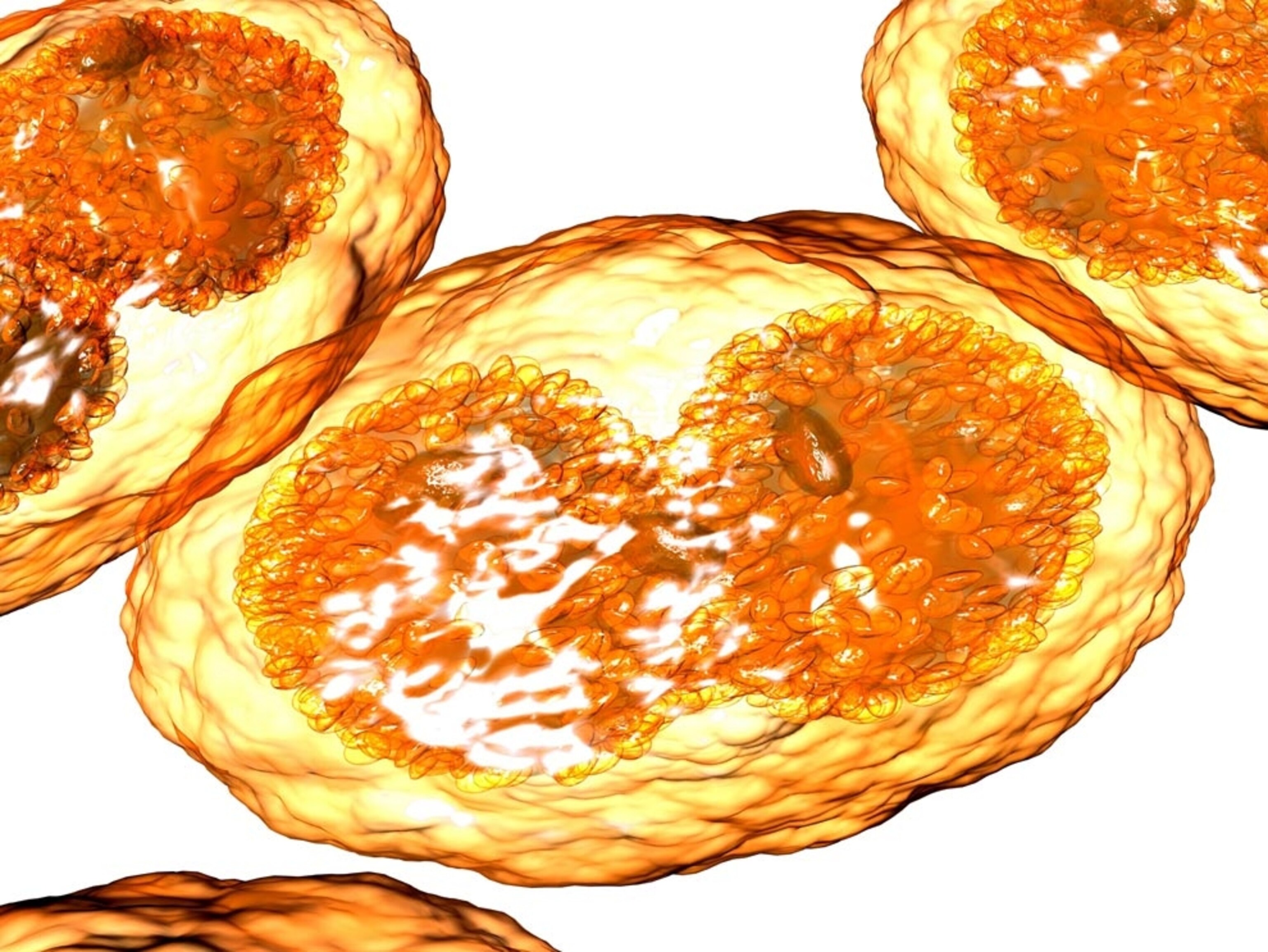
Smallpox is an acute contagious disease caused by the variola virus. It gets its name from the Latin word for "spotted," referring to the raised, pustular bumps that break out over the face and body of those affected. Historically the virus killed around 30 percent of people who caught it. Those who survived were often left blind, sterile, and with deep pitted scars, or pockmarks, on the skin.
Spread through direct contact with infected people, body fluids, or contaminated objects such as bedding, the disease had two main types. Variola major was the most common form–and most lethal. Variola minor produced a milder disease, which was fatal in less than one percent of cases. Two other, rarer forms also existed: hemorrhagic and malignant. Both invariably resulted in death.
Early Victims
Smallpox is thought to have originated in India or Egypt at least 3,000 years ago. The earliest evidence for the disease comes from the Egyptian Pharaoh Ramses V, who died in 1157 B.C. His mummified remains show telltale pockmarks on his skin.
The disease later spread along trade routes in Asia, Africa, and Europe, eventually reaching the Americas in the 1500s. Indigenous peoples there had no natural immunity. An estimated 90 percent of indigenous casualties during European colonization were caused by disease rather than military conquest.
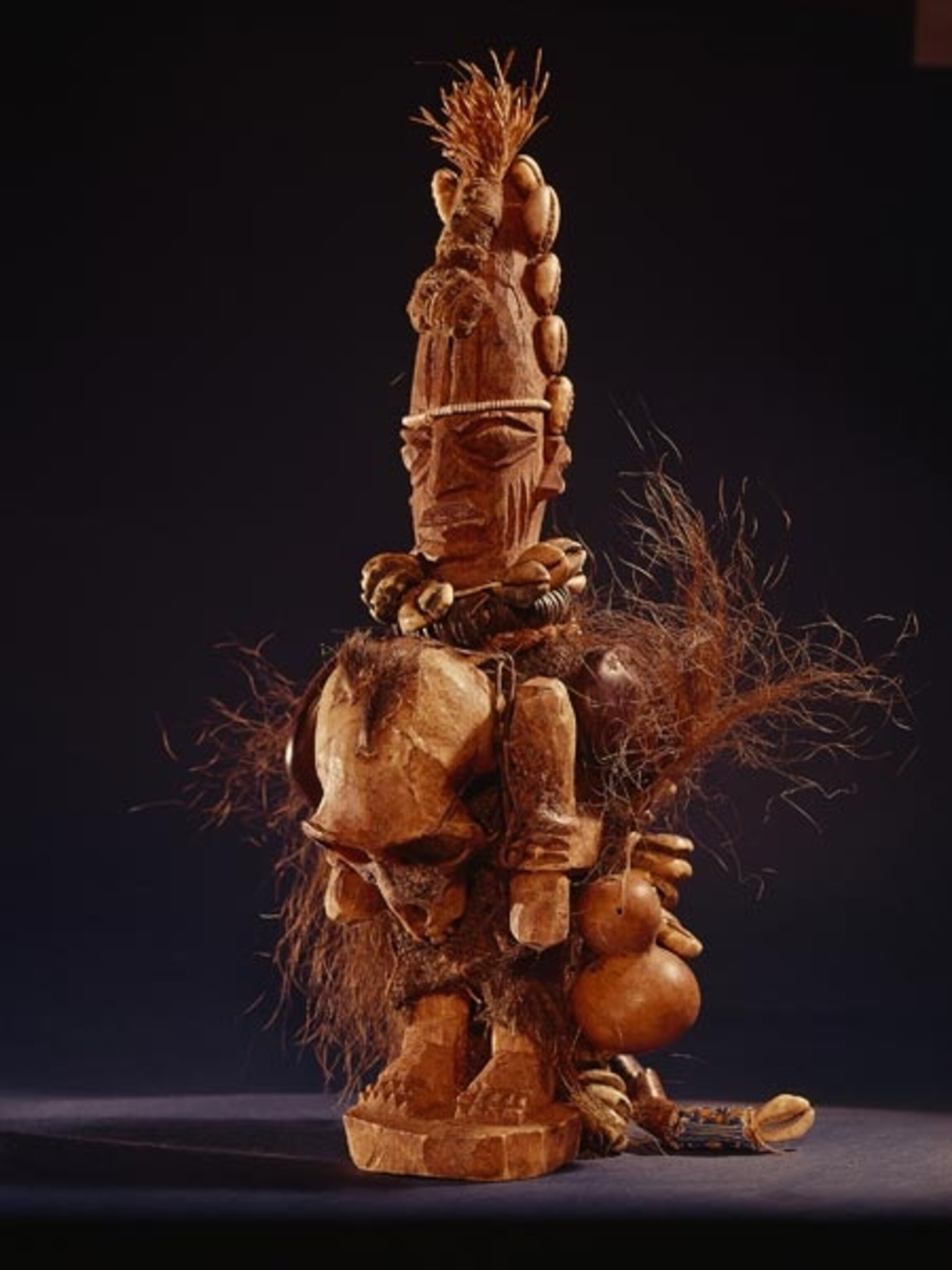
Smallpox contributed to the decline of the Aztec Empire, in what is now Mexico, following the virus's arrival with Spanish conquerors in 1519. More than three million Aztec succumbed to the disease. Severely weakened, the Aztec were easily defeated. Likewise, smallpox claimed the life of an Inca emperor and wiped out much of the Inca population in western South America.
In Europe, smallpox is estimated to have claimed 60 million lives in the 18th century alone. In the 20th century, it killed some 300 million people globally.
Vaccination Victory
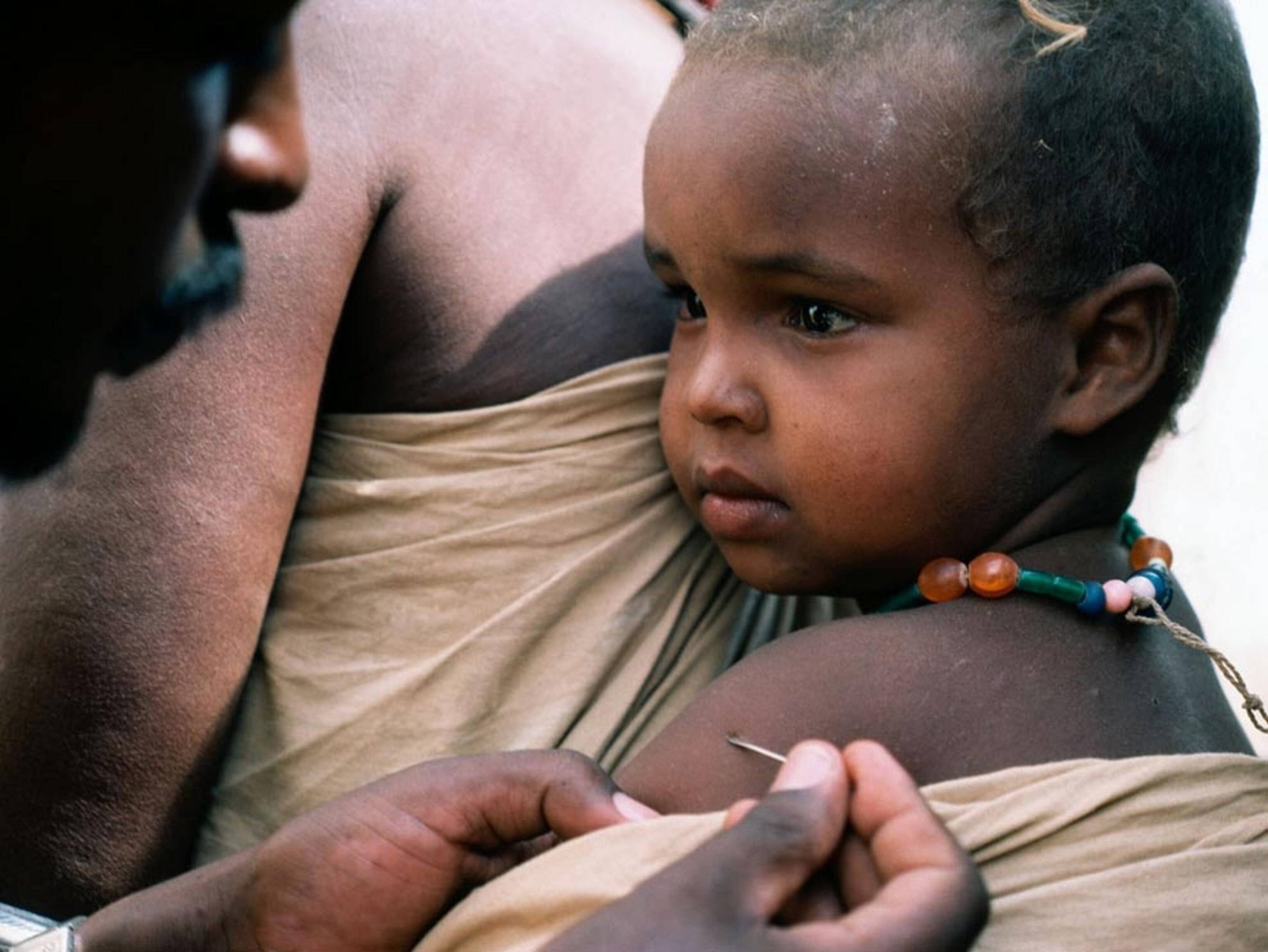
The human fight against smallpox dates back some 2,000 years. In Asia, a technique known as variolation involved deliberately infecting a person by blowing dried smallpox scabs up their nose. Those who received this treatment contracted a mild form of the disease, developing a lifelong immunity.
A key breakthrough came in 1796 when an experiment by English doctor Edward Jenner showed that inoculation using closely related cowpox could protect against smallpox. Jenner's discovery paved the way for later vaccination programs—especially crucial since there is no effective treatment for smallpox.
In 1967, a year when some 10 million to 15 million people contracted smallpox, the World Health Organization launched a worldwide eradication campaign based on vaccination. Gradually, the disease was pushed back to the Horn of Africa, and the last known natural case occurred in Somalia in 1977.
Despite being consigned to the history books, there's still a chance of smallpox coming back to haunt us—as a biological weapon. Such fears escalated dramatically in the United States following the September 11, 2001, terrorist attacks. While the risk of such a bioterror attack is considered very low, the U.S. has since stockpiled enough of the vaccine to inoculate every citizen.
Related Topics
You May Also Like


Go Further
Animals
- How can we protect grizzlies from their biggest threat—trains?How can we protect grizzlies from their biggest threat—trains?
- This ‘saber-toothed’ salmon wasn’t quite what we thoughtThis ‘saber-toothed’ salmon wasn’t quite what we thought
- Why this rhino-zebra friendship makes perfect senseWhy this rhino-zebra friendship makes perfect sense
- When did bioluminescence evolve? It’s older than we thought.When did bioluminescence evolve? It’s older than we thought.
- Soy, skim … spider. Are any of these technically milk?Soy, skim … spider. Are any of these technically milk?
Environment
- Are the Great Lakes the key to solving America’s emissions conundrum?Are the Great Lakes the key to solving America’s emissions conundrum?
- The world’s historic sites face climate change. Can Petra lead the way?The world’s historic sites face climate change. Can Petra lead the way?
- This pristine piece of the Amazon shows nature’s resilienceThis pristine piece of the Amazon shows nature’s resilience
- Listen to 30 years of climate change transformed into haunting musicListen to 30 years of climate change transformed into haunting music
History & Culture
- Meet the original members of the tortured poets departmentMeet the original members of the tortured poets department
- Séances at the White House? Why these first ladies turned to the occultSéances at the White House? Why these first ladies turned to the occult
- Gambling is everywhere now. When is that a problem?Gambling is everywhere now. When is that a problem?
- Beauty is pain—at least it was in 17th-century SpainBeauty is pain—at least it was in 17th-century Spain
Science
- Here's how astronomers found one of the rarest phenomenons in spaceHere's how astronomers found one of the rarest phenomenons in space
- Not an extrovert or introvert? There’s a word for that.Not an extrovert or introvert? There’s a word for that.
- NASA has a plan to clean up space junk—but is going green enough?NASA has a plan to clean up space junk—but is going green enough?
- Soy, skim … spider. Are any of these technically milk?Soy, skim … spider. Are any of these technically milk?
Travel
- How to see Mexico's Baja California beyond the beachesHow to see Mexico's Baja California beyond the beaches
- Could Mexico's Chepe Express be the ultimate slow rail adventure?Could Mexico's Chepe Express be the ultimate slow rail adventure?
