


Body organs aren't all internal like the brain or the heart. There's one we wear on the outside. Skin is our largest organ—adults carry some 8 pounds (3.6 kilograms) and 22 square feet (2 square meters) of it. This fleshy covering does a lot more than make us look presentable. In fact, without it, we'd literally evaporate.
Skin acts as a waterproof, insulating shield, guarding the body against extremes of temperature, damaging sunlight, and harmful chemicals. It also exudes antibacterial substances that prevent infection and manufactures vitamin D for converting calcium into healthy bones. Skin additionally is a huge sensor packed with nerves for keeping the brain in touch with the outside world. At the same time, skin allows us free movement, proving itself an amazingly versatile organ.
How It Protects The Body
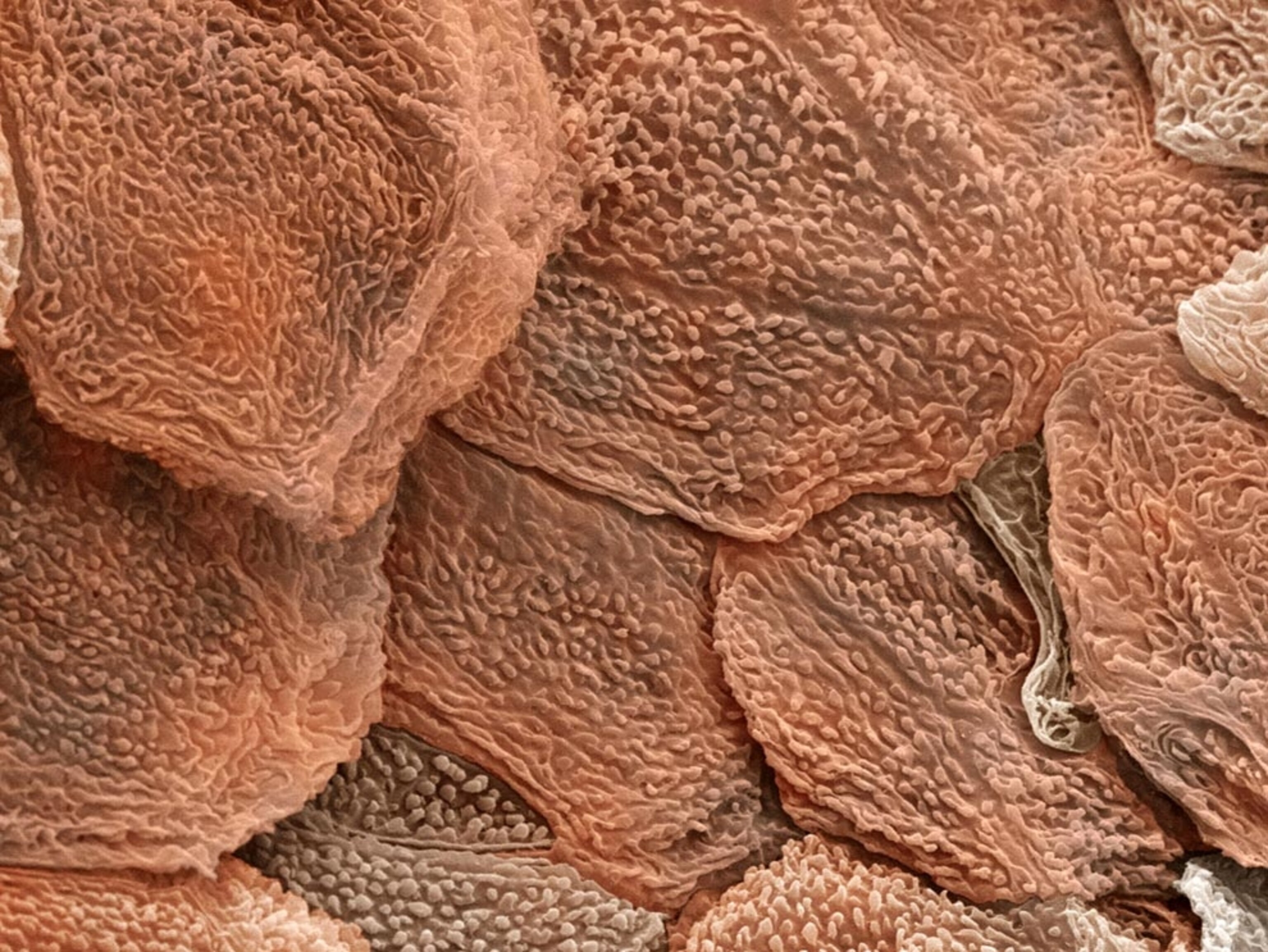
Skin is made up of three layers. The outermost is the epidermis. This consists mainly of cells called keratinocytes, made from the tough protein keratin (also the material in hair and nails). Keratinocytes form several layers that constantly grow outwards as the exterior cells die and flake off. It takes roughly five weeks for newly created cells to work their way to the surface. This covering of dead skin is known as the stratum corneum, or horny layer, and its thickness varies considerably, being more than ten times thicker on the soles of the feet than around the eyes. The epidermis harbors defensive Langerhans cells, which alert the body's immune system to viruses and other infectious agents.
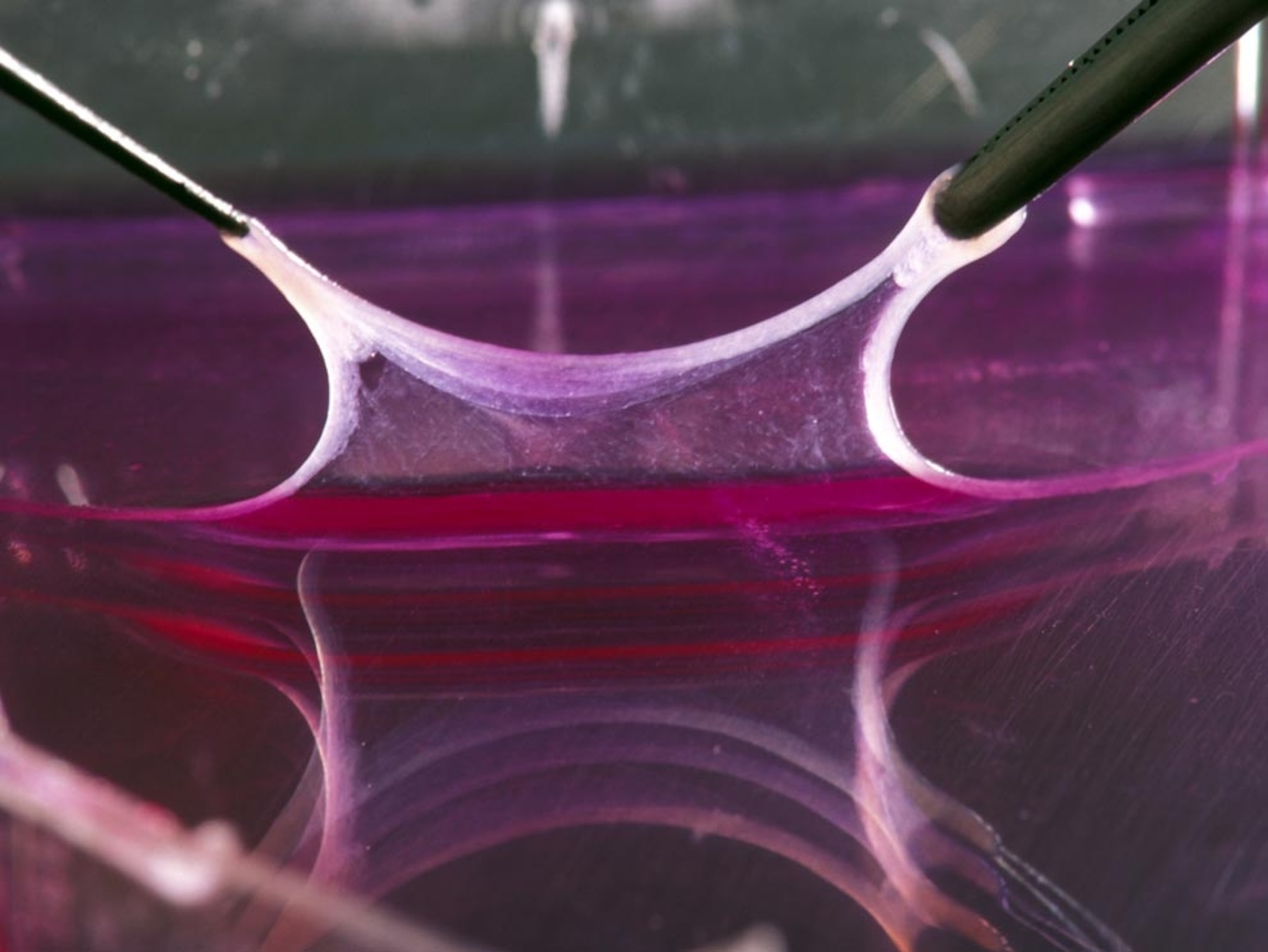
The epidermis is bonded to a deeper skin layer below known as the dermis, which gives the organ its strength and elasticity thanks to fibers of collagen and elastin. Blood vessels here help regulate body temperature by increasing blood flow to the skin to allow heat to escape, or by restricting the flow when it's cold. A network of nerve fibers and receptors pick up feelings such as touch, temperature, and pain, relaying them to the brain.
The dermis houses hair follicles and glands with ducts that pass up through the skin. Sweat glands bring down internal temperature through perspiration while ridding the body of the waste fluids urea and lactate. Apocrine glands, which develop during puberty, produce a scented sweat linked to sexual attraction that can also cause body odor, especially around the armpits. Sebaceous glands secrete oil-like sebum for lubricating the hair and skin.
The skin's base layer is the subcutis, which includes a seam of fat laid down as a fuel reserve in case of food shortage. It also works as insulation and cushions us from knocks and falls.
Skin Color
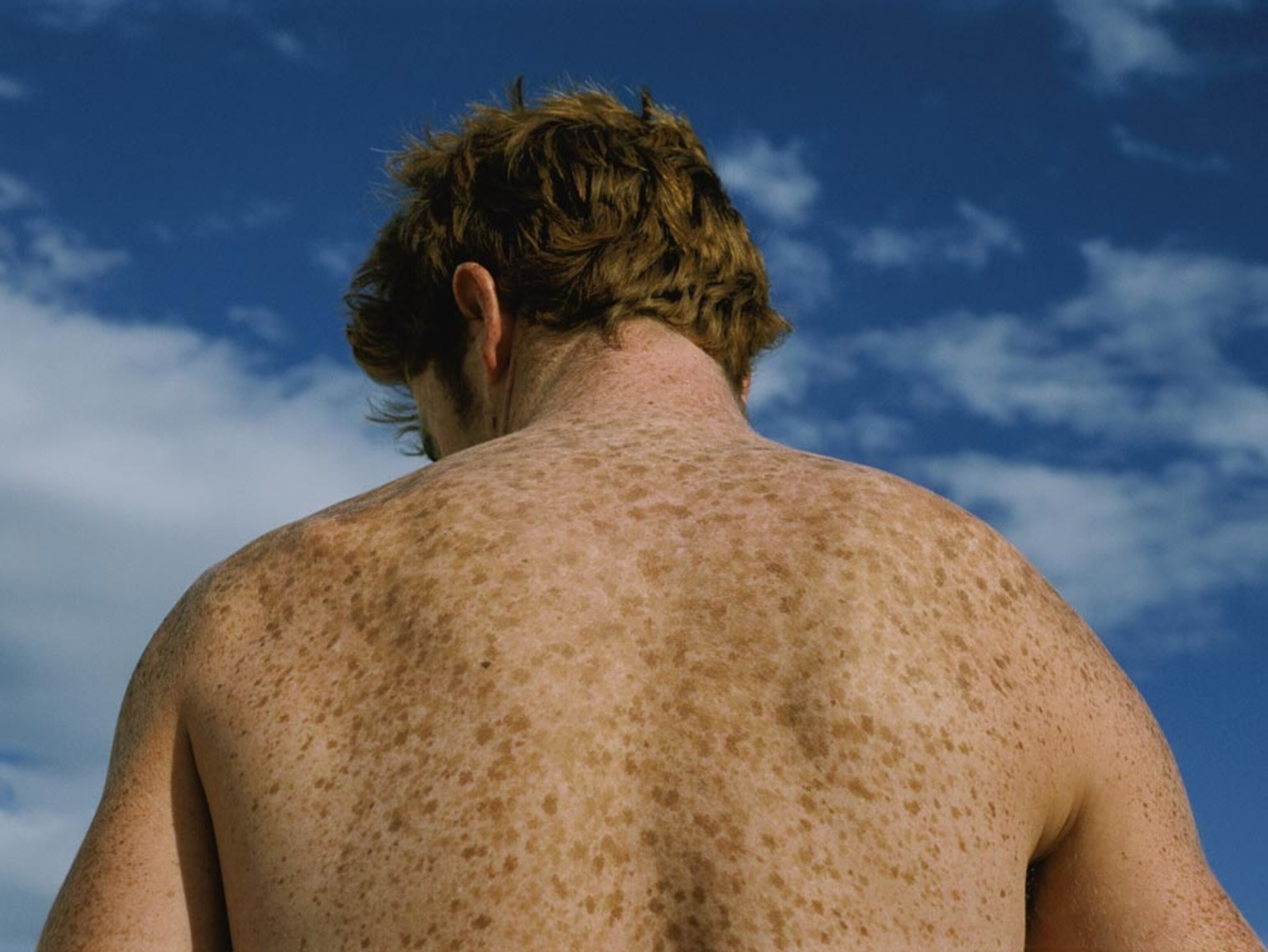
Skin color is due to melanin, a pigment produced in the epidermis to protect us from the sun's potentially cancer-causing ultraviolet (UV) rays. Dark-skinned people produce more numerous and deeper-colored melanin particles. People with the darkest complexions are native to tropical regions, particularly those with few densely forested areas.
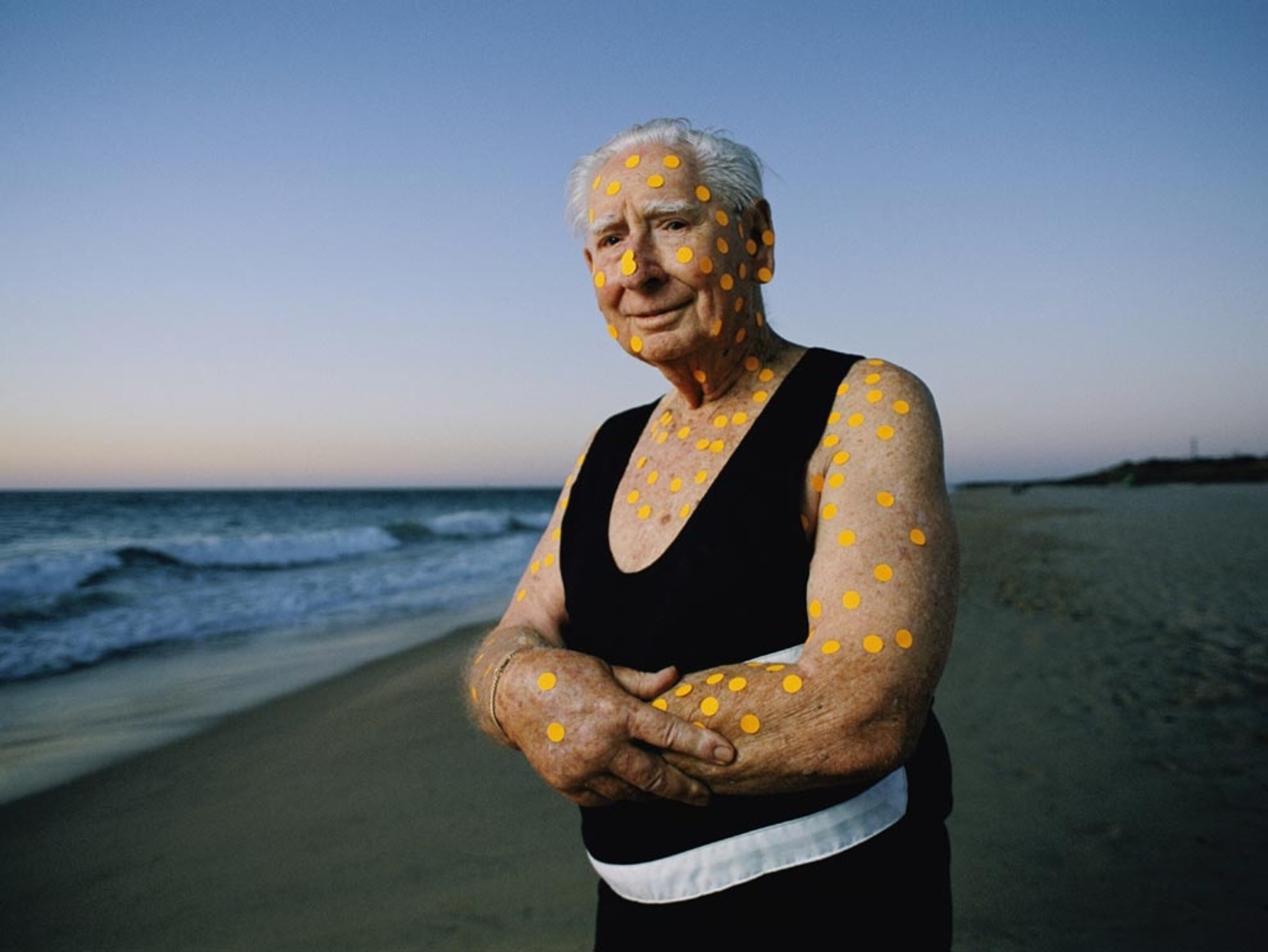
Fair skin is an adaptation found in people from northern latitudes where solar rays are relatively weak. Here the benefits of dark skin are outweighed by the need for bone-strengthening vitamin D, produced through exposure to UV rays. But hotter, sunnier environments bring the risk of serious skin damage. Australia, where the majority of the population is of northern European descent, has the world's highest rates of skin cancer, accounting for more than 80 percent of all cancers diagnosed there each year.
Skin: A Complex and Diverse Organ


You May Also Like


Go Further
Animals
- How can we protect grizzlies from their biggest threat—trains?How can we protect grizzlies from their biggest threat—trains?
- This ‘saber-toothed’ salmon wasn’t quite what we thoughtThis ‘saber-toothed’ salmon wasn’t quite what we thought
- Why this rhino-zebra friendship makes perfect senseWhy this rhino-zebra friendship makes perfect sense
- When did bioluminescence evolve? It’s older than we thought.When did bioluminescence evolve? It’s older than we thought.
- Soy, skim … spider. Are any of these technically milk?Soy, skim … spider. Are any of these technically milk?
Environment
- Are the Great Lakes the key to solving America’s emissions conundrum?Are the Great Lakes the key to solving America’s emissions conundrum?
- The world’s historic sites face climate change. Can Petra lead the way?The world’s historic sites face climate change. Can Petra lead the way?
- This pristine piece of the Amazon shows nature’s resilienceThis pristine piece of the Amazon shows nature’s resilience
- Listen to 30 years of climate change transformed into haunting musicListen to 30 years of climate change transformed into haunting music
History & Culture
- Meet the original members of the tortured poets departmentMeet the original members of the tortured poets department
- Séances at the White House? Why these first ladies turned to the occultSéances at the White House? Why these first ladies turned to the occult
- Gambling is everywhere now. When is that a problem?Gambling is everywhere now. When is that a problem?
- Beauty is pain—at least it was in 17th-century SpainBeauty is pain—at least it was in 17th-century Spain
Science
- Here's how astronomers found one of the rarest phenomenons in spaceHere's how astronomers found one of the rarest phenomenons in space
- Not an extrovert or introvert? There’s a word for that.Not an extrovert or introvert? There’s a word for that.
- NASA has a plan to clean up space junk—but is going green enough?NASA has a plan to clean up space junk—but is going green enough?
- Soy, skim … spider. Are any of these technically milk?Soy, skim … spider. Are any of these technically milk?
Travel
- Could Mexico's Chepe Express be the ultimate slow rail adventure?Could Mexico's Chepe Express be the ultimate slow rail adventure?
- What it's like to hike the Camino del Mayab in MexicoWhat it's like to hike the Camino del Mayab in Mexico
